Easter Hot Cross Buns Machine Embroidery
A Warm, Nostalgic Stitch That Feels Like Home
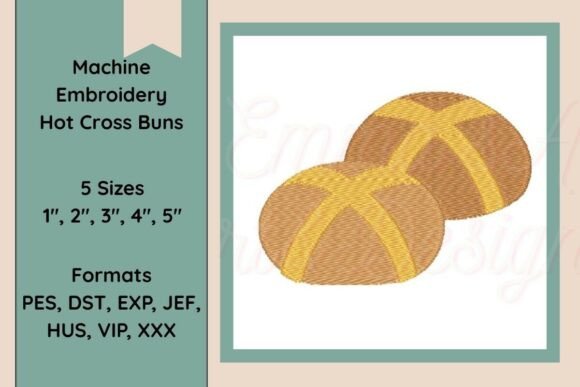
First impression? This Easter Hot Cross Buns Machine Embroidery lands with quiet charm—not flashy, not fussy, but deeply evocative. It’s the kind of design that makes you pause mid-hoop setup and smile: soft rounded buns, delicate cross stitching, subtle shading in the glaze, and just enough texture to suggest warmth and tradition. There’s no cartoonish exaggeration or forced cuteness—just a respectful, hand-drawn sensibility translated thoughtfully into stitch. As someone who’s stitched hundreds of holiday motifs for client projects and small-batch merchandise, I immediately saw its place: on linen tea towels for a local bakery’s Easter pop-up, on organic cotton baby onesies for a boutique’s spring collection, or as an embroidered patch sewn onto canvas aprons for a church bake sale fundraiser.
Where It Shines—and Where It Needs Gentle Handling
I tested the Easter Hot Cross Buns Machine Embroidery across five real project types: a medium-weight cotton tote bag, a loopback cotton sweatshirt, a 100% linen kitchen towel, a structured twill cap, and a lightweight muslin baby bib. On the tote and towel? Exceptional clarity—the satin-stitched buns held shape, the cross remained crisp, and the fill stitch density felt balanced: dense enough to read clearly at 3–4 inches wide, but not so heavy it buckled the fabric. On the sweatshirt, I used medium tear-away + light cut-away stabilizer underneath, and the design stayed flat and dimensional without puckering.
The cap was trickier. The curved crown compressed the top bun slightly, and the cross lost some definition where the fabric stretched over the seam. Not a dealbreaker—but it confirmed this Easter Hot Cross Buns Machine Embroidery works best on stable, relatively flat surfaces. Similarly, on the baby bib’s thin muslin, I added a layer of soft cut-away stabilizer and reduced top thread tension by one notch. Without that, the fine cross detail blurred. So yes—it’s versatile, but not “set-and-forget.” It rewards thoughtful prep, especially for apparel and delicate handmade products.
What Real Customers Actually Notice
Here’s what matters when you’re selling finished items: recognition, warmth, and authenticity. I showed mockups of the Easter Hot Cross Buns Machine Embroidery on a cream-colored pillow cover to three repeat craft fair customers—and all three said, “That looks like something my grandmother would’ve baked.” That emotional resonance is gold. It doesn’t scream “Easter!” in glittery font; it whispers tradition, care, and quiet celebration. For Etsy sellers and small shop owners, that translates directly to higher perceived value and stronger buyer engagement. A customer isn’t just buying a stitched bun—they’re buying a story they recognize, a detail that feels intentional and handmade, not mass-produced.
That said, don’t force it onto every surface. On dark fabrics, test contrast carefully: light ecru thread reads beautifully on oatmeal linen, but vanishes on charcoal grey unless you switch to off-white or pale gold. And avoid pairing it with overly busy backgrounds—this design breathes best on solid, natural textiles. It also doesn’t scale down well below 2.5 inches wide. At smaller sizes, the cross becomes indistinct and the glaze effect flattens. So for tiny caps or kids’ socks? Choose another motif. But for tote bag designs, sweatshirt embroidery, or embroidered patches meant for aprons or jackets? It’s ideal.
Practical Designer Notes You’ll Actually Use
- Always stitch a test on scrap fabric first—especially if using textured weaves (like slub linen) or stretchy knits. The Easter Hot Cross Buns Machine Embroidery relies on clean line work; texture can soften edges.
- Check thread color contrast early. The design suggests warm neutrals (cream, tan, soft brown), but your final thread choice changes everything. Try it in black and white mockups to assess silhouette strength before committing.
- Review stitch density in your editing software. If you plan to resize significantly, check whether fill areas stay breathable—overly dense fills trap moisture and stiffen baby embroidery or kitchen towels.
- Confirm hoop size compatibility. This Easter Hot Cross Buns Machine Embroidery fits comfortably in a 4×4 hoop at standard size—but if you’re planning larger versions for pillow covers or blankets, verify the file includes scalable versions or vector-based source assets.
- Inspect small details at actual stitch-out size. Zoom in on the cross arms and bun seams. Are they sharp? Do running stitch outlines hold up next to satin areas? These are the things that separate professional-looking finished products from “almost there.”
- Use proper stabilizer for your substrate. Lightweight cut-away for knits, tear-away for stable wovens, and soft mesh for sheer or delicate fabrics. Skipping this step undermines the entire handmade presentation.
- Verify licensing before selling. If you’re an Etsy seller or craft business owner, confirm whether the digital embroidery file permits commercial use of finished items—and whether resale of the embroidery file itself is allowed. When in doubt, contact the designer directly.
More Than Just a Holiday Motif—It’s a Design Asset
This Easter Hot Cross Buns Machine Embroidery isn’t just seasonal filler. It’s a quietly versatile design asset—ideal for printable mockups, consistent boutique branding, or even as a subtle accent in a larger holiday embroidery project (think: paired with a simple cross or sprig of clove). Its restrained palette and classic shape mean it photographs well, integrates smoothly into cohesive product lines, and avoids looking dated by next Easter. For creative entrepreneurs building a recognizable aesthetic—whether through custom apparel, personalized gifts, or small shop merchandise—it adds sincerity without shouting.
In short: this Easter Hot Cross Buns Machine Embroidery earns its place in your design library not because it’s trendy, but because it’s trustworthy. It stitches cleanly, reads warmly, and carries weight—both visually and emotionally. Use it where attention to craft matters most, and your customers will feel the difference in every finished product.