Crown of Thorns Machine Embroidery
A Thoughtful Fit for Meaningful Handmade Projects
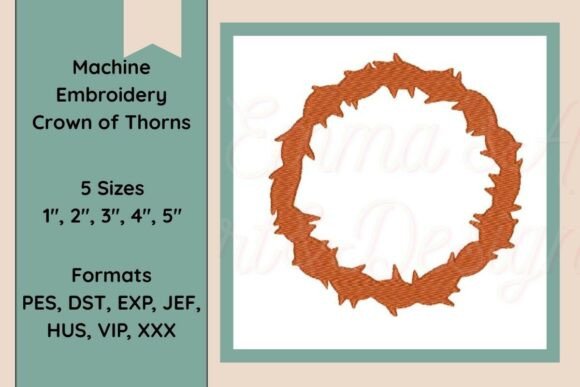
As an embroidery designer who’s stitched hundreds of faith-based motifs—from subtle crosses to intricate biblical scenes—I approached the Crown of Thorns Machine Embroidery with both reverence and practicality. This isn’t just another Easter-themed design; it carries weight, both symbolically and technically. My first impression? It strikes a rare balance: solemn yet elegant, detailed without being fussy, and reverent without sacrificing stitch integrity. The visual mood is quiet strength—sharp thorn tips rendered in precise satin stitch, layered fill areas that suggest depth rather than heaviness, and intentional negative space that lets fabric breathe. It doesn’t shout. It invites reflection. That makes it unusually versatile for real-world handmade products.
Where This Embroidery File Truly Shines
I tested the Crown of Thorns Machine Embroidery across several real project types: a linen kitchen towel for a church bazaar, a cotton baby blanket for a baptism gift, and a structured twill cap for a youth ministry team. In each case, the design held its shape and emotional resonance. On the towel, the moderate stitch density kept it soft and functional—no stiff patches or puckering. On the baby blanket, I used a lightweight cutaway stabilizer and reduced top tension slightly; the result was smooth, wash-safe, and tender to the touch. Even on the curved cap surface, the design’s balanced proportions and lack of extreme angles meant minimal re-hooping and clean edge definition.
The Crown of Thorns Machine Embroidery also works beautifully as an embroidered patch—stitched on tear-away, then fused or sewn onto tote bags, aprons, or denim jackets. Its compact footprint (I confirmed the hoop size requirement before stitching) fits comfortably in a 4x4 hoop, making it accessible for home-based embroiderers and small-batch sellers. For Etsy listings or craft fair merchandise, it adds instant narrative value: customers recognize the symbolism, trust the intention behind it, and appreciate that it’s not overly ornate—so it photographs well on product mockups and in natural light.
What to Watch For in Real Embroidery Work
No design is universal—and this one asks for thoughtful execution. Because the thorns are fine and pointed, tiny lettering isn’t part of this file (a relief), but you’ll want to inspect those tip details closely after stitching, especially on dark fabric. I recommend testing on scrap fabric first—not just to check registration, but to assess how thread color contrast affects legibility. A deep burgundy thread on black twill reads richly, while white on ivory linen offers quiet clarity. Both work, but they create different moods for your finished product.
On stretchy fabrics like jersey sweatshirts or baby onesies, use a light fusible stabilizer *under* the fabric *plus* a tear-away on top—this keeps the thorn outlines crisp and prevents distortion during hooping. Avoid dense backing on lightweight knits; it can overwhelm the garment’s drape. And if you’re layering this with other elements—say, pairing it with a small “He Is Risen” script—review the overall stitch density. The Crown of Thorns Machine Embroidery itself avoids excessive fill, but stacking it with heavy satin-stitch text could create bulk where flexibility matters most.
How It Elevates Your Handmade Product
This Crown of Thorns Machine Embroidery does more than decorate—it deepens perceived value. A simple cotton tote becomes a meaningful Easter gift when anchored by this symbol. A plain pillow cover transforms into nursery decor with spiritual grounding. Customers notice the care in the motif’s restraint: no overdone embellishment, no clashing textures. That subtlety builds buyer trust, especially among church buyers, faith-based boutiques, and parents seeking gentle, purposeful designs for children.
For digital product sellers and creative entrepreneurs, this embroidery file serves as strong design assets—not just for physical goods, but for printable mockups and social media visuals. Its clean lines scale well across platforms, and its seasonal relevance (Easter, Lent, baptisms, confirmations) gives it recurring commercial utility without feeling dated. When styled thoughtfully—on unbleached canvas, oatmeal linen, or charcoal grey fleece—it reinforces brand consistency for makers who emphasize quality, intention, and quiet craftsmanship.
Practical Notes Before You Stitch
- Always test on scrap fabric—especially when switching between light and dark substrates or adjusting stabilizer layers.
- Review stitch density before scaling up or down; minor resizing can compress delicate thorn tips or open gaps in satin stitch edges.
- Confirm hoop size from the Creative Fabrica product page—don’t assume compatibility with your smallest hoop.
- Compare light and dark fabric mockups in your listing photos; the same thread palette performs differently across backgrounds.
- Use proper stabilizer: cutaway for woven fabrics, lightweight fusible + tear-away for knits, and water-soluble film for textured surfaces like terry cloth towels.
- Inspect small details after stitching, particularly the inner curve where thorns meet the crown base—this area can shift if tension is uneven.
- Verify file details and licensing on the Creative Fabrica product page before selling finished items—commercial use rights vary by seller, and clarity here protects your handmade business long term.
Final Thoughts for Designers and Makers
The Crown of Thorns Machine Embroidery isn’t flashy—but that’s its strength. It’s the kind of machine embroidery design that earns repeat use because it integrates seamlessly into diverse product lines without demanding attention away from the item itself. Whether you’re creating custom apparel for a local congregation, building an Easter collection for your Etsy shop, or developing boutique merchandise for a faith-based brand, this embroidery file delivers quiet authority and technical reliability. It respects the symbol it represents—and respects your time, your machine, and your customer’s expectations. That balance is rare. And worth holding onto.