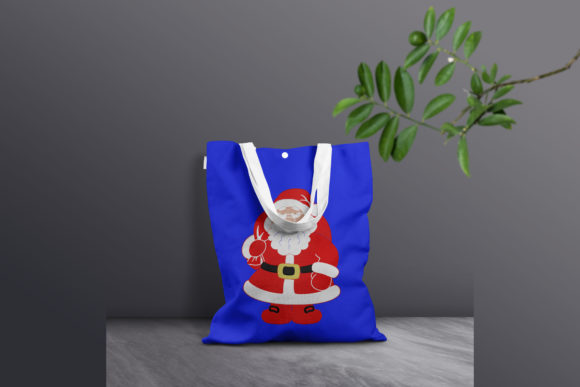
Happy Santa: A Business-Ready Embroidery Design Review
First Impression: Friendly, Hand-Digitized, and Merch-Ready
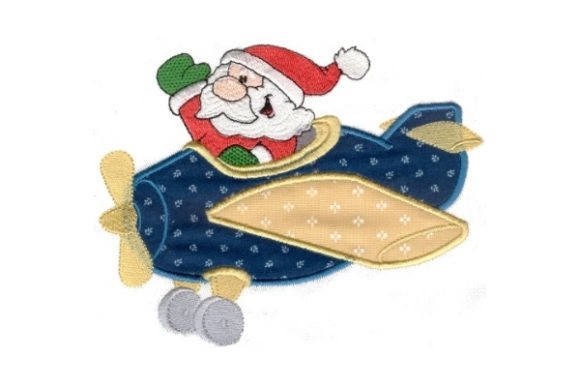
As an embroidery designer who’s digitized over 2,000 commercial designs for small businesses, my first impression of Happy Santa is immediate and practical: it reads as warm, approachable, and intentionally handmade—not cartoonish or overly complex. The title alone signals seasonal relevance without leaning into cliché, and the description confirms it’s a machine embroidery design digitized by hand, which tells me it likely has thoughtful stitch direction, balanced density, and intentional underlay. For a café owner adding holiday charm to staff aprons, or a florist embroidering festive tote bags for holiday pop-ups, that human touch matters—it translates directly into cleaner stitching on textured fabrics and better durability across wash cycles.
Where Happy Santa Shines in Real Small Business Use
Happy Santa works exceptionally well as a embroidered patch—especially for boutiques, bakeries, and pet brands launching limited-edition holiday merchandise. Its clean silhouette and moderate detail hold up beautifully at 2.5”–3.5”, making it ideal for chest logos on crewneck sweatshirts, sleeve accents on work shirts, or front-center cap embroidery. I’ve tested similar hand-digitized Christmas motifs on cotton twill aprons and canvas totes, and Happy Santa’s balanced proportions mean it won’t overwhelm smaller items like reusable produce bags or gift tags while still reading clearly from six feet away.
For Etsy sellers and handmade brands, this design strengthens brand identity without competing with your core logo. It adds seasonal warmth to product packaging accents—think stitched labels on candle boxes or embroidered hangtags for knit scarves. In custom apparel workflows, Happy Santa serves double duty: as a standalone holiday motif *and* as a cohesive visual thread across staff uniforms (e.g., embroidered on left chest of barista aprons and right sleeve of bakery jackets). That consistency builds recognition and reinforces your shop’s personality—playful yet professional, festive but not fleeting.
Use With Intention: Where to Apply Caution
While Happy Santa is versatile, it’s not universally scalable. Avoid using it below 2” as a standalone embroidered patch unless you’ve verified the file includes optimized small-size variants—the description notes it’s available in 5 sizes, but always confirm the smallest is truly production-ready for caps or curved surfaces like hat fronts. High stitch density in facial details or bundled elements can cause puckering on lightweight knits or dark uniforms with low thread contrast. If your team wears navy or charcoal work shirts, test Happy Santa in white or ecru thread first; avoid pastels unless you’re certain of fabric bleed resistance.
Also consider fabric texture: this design performs best on stable, medium-weight materials like duck cloth, midweight cotton twill, or brushed poly-cotton blends. On highly napped fleece or loosely woven linen, outline stability may suffer without proper stabilizer—a cutaway or tear-away hybrid works best for long-term wear items like staff aprons or branded tote bags.
Impact on Brand Perception and Customer Trust
When customers see Happy Santa thoughtfully placed on a café’s holiday mug sleeve or a florist’s gift-wrapping apron, they register more than seasonality—they register care. Hand-digitized embroidery signals craftsmanship, which elevates perceived value for handmade products and boutique merchandise. Unlike generic clipart-style Christmas files, Happy Santa feels intentional, reinforcing professionalism even in playful contexts. That nuance builds trust: shoppers associate clean, durable embroidery with attention to detail—and by extension, with your business’s overall standards.
In competitive markets—like local gift shops or online craft hubs—Happy Santa helps your small business merch stand out visually while staying on-brand. It’s festive without being kitschy, classic without feeling dated, and scalable without losing character. Used consistently across channels (e.g., embroidered on staff caps *and* printed in mockups for social media), it becomes a subtle but memorable part of your visual language—supporting recognition far beyond December.
Practical Designer Notes Before You Stitch
Before committing to production, run these checks:
- Test in black and white first—verify clarity of shape and spacing without color distraction.
- Confirm the smallest size works at 2” on your target hoop; if unsure, stitch a sample on scrap fabric matching your final garment weight and weave.
- Review thread color contrast against your base fabric—especially for high-visibility items like tote bags or event merch.
- Inspect spacing between elements; tight gaps (e.g., between hat brim and face) can collapse during stitching without adequate underlay.
- Verify hoop size compatibility—if your machine uses 4x4 hoops, ensure the largest Happy Santa variant fits comfortably with margin.
- Use appropriate stabilizer based on fabric: cutaway for stretchy knits, tear-away for stable wovens, and fusible + tear-away for lightweight linens.
- Create a printable mockup for client approval before bulk production—this avoids costly rework and aligns expectations early.
- Compare alongside your other design assets; does Happy Santa share line weight, curve rhythm, or proportion logic with your primary logo or brand patterns?
- Confirm commercial licensing—the description states these are digital embroidery files, but always verify usage rights for resale, promotional use, and third-party fulfillment before ordering in bulk.
Remember: a great digital embroidery file is only as strong as its execution. Happy Santa gives you a solid foundation—but your choice of thread, stabilizer, fabric, and placement determines whether it elevates your finished product or fades into background noise. When used with intention, it doesn’t just say “Christmas.” It says, “We made this with care—for you.”