Chistmas Elf Embroidery Design Review
A Professional Designer’s Take on Real-World Brand Use
As an embroidery designer who’s digitized over 2,000 commercial designs for small businesses—from neighborhood bakeries to indie florists and pet boutiques—I approached Chistmas Elf with a very specific question: Does this design translate into trusted, scalable brand assets—or is it just festive decoration? The answer matters deeply when you’re stitching staff aprons for a holiday pop-up café, branding tote bags for a handmade studio, or producing embroidered patches for a local craft fair vendor.
First Impression: Friendly, Hand-Digitized Charm
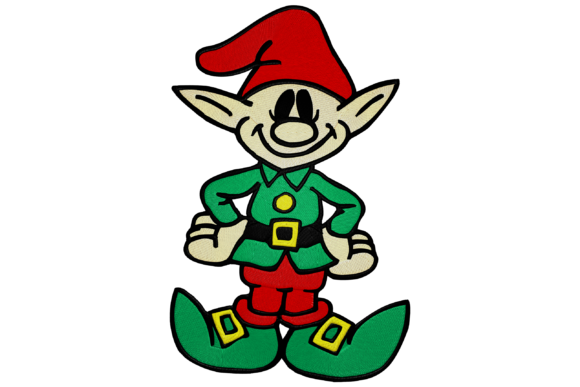
The title Chistmas Elf (note the intentional spelling—likely a stylistic choice, not an error) signals approachability over formality. Combined with “digitized by hand” and “high quality embroidery design,” the description suggests warmth, craftsmanship, and attention to detail—not mass-produced clip art. That’s critical for small business merch. Customers don’t buy generic Christmas; they buy *your* story. An elf rendered with balanced stitch density, clear outlines, and expressive shape reads as intentionally handmade—not cartoonish or dated. It feels like a character your brand could own: playful but professional, seasonal but not disposable.
Where Chistmas Elf Shines in Business Applications
- Embroidered patches: With six size options, Chistmas Elf scales cleanly down to 2.5” for iron-on or sew-on patches on staff jackets, tote bags, or product packaging. Its compact silhouette holds up well without losing charm—even at smaller dimensions.
- Apron embroidery & cap fronts: Positioned on the chest or left front of a canvas apron or structured cap, the design delivers instant visual recognition. Its centered composition and moderate width avoid distortion on curved surfaces—especially when hooped correctly.
- Tote bag design & boutique merchandise: On natural cotton or linen totes, the elf reads clearly from a distance and reinforces a curated, artisanal vibe. Paired with minimal text (e.g., “Baked by [Shop Name]”), it becomes part of a cohesive brand language—not just holiday flair.
- Custom apparel for staff & events: Whether stitched on sweatshirts for holiday market vendors or t-shirts for a florist’s seasonal delivery team, Chistmas Elf adds warmth without compromising polish. It signals celebration while keeping focus on service and identity.
- Printable mockups & client approvals: As a digital embroidery file, it integrates smoothly into design workflows. You can generate clean, realistic mockups for client sign-off—essential when selling custom apparel or branded gifts through Etsy or local wholesale channels.
Where to Use Chistmas Elf Thoughtfully
Even strong designs need strategic placement. Here’s where extra care pays off:
- Small patch sizes: Test the smallest available size on actual fabric first. Fine details—like elf hat trim or facial features—can blur if stitch density isn’t optimized for under 2”. Confirm spacing between elements remains legible.
- Dark uniforms & textured fabric: On heavy twill or fleece, contrast matters. Run a black-and-white test stitch-out to verify thread color choices (e.g., forest green + cream vs. red + gold) maintain clarity and brand alignment.
- Frequent-wash items: High stitch density helps durability—but only if stabilizer matches the base fabric. For aprons or work shirts, pair Chistmas Elf with medium-cutaway stabilizer to prevent puckering after repeated laundering.
- Caps & curved surfaces: Avoid placing near the cap’s seam or bill curve unless you’ve verified hoop compatibility. Some sizes may require repositioning or minor digitizing tweaks for optimal registration.
How Chistmas Elf Strengthens Brand Identity
For small businesses, consistency builds trust—and Chistmas Elf supports that. Unlike overly complex or ornate machine embroidery designs, it avoids visual noise. Its clean lines and balanced proportions let your logo, shop name, or tagline remain the hero—while the elf adds seasonal personality. When customers see the same thoughtful elf on your barista’s apron, your holiday gift box seal, and your Etsy packaging tag, they register cohesion. That consistency tells them: This brand plans carefully. This brand values craft. This brand is worth returning to—not just during Christmas, but year-round.
It also elevates perceived product value. A handmade candle with a subtle Chistmas Elf embroidered label feels more intentional than a printed sticker. A pet boutique’s bandana featuring the design reads as bespoke—not generic. That nuance directly impacts buyer engagement, especially among audiences who prioritize authenticity and tactile quality.
Practical Designer Notes Before You Stitch
- Always test in black and white first—to assess contrast, balance, and readability across thread colors.
- Verify small-patch viability by stitching the smallest size on your target fabric before bulk production.
- Review thread color contrast against your garment or patch background—especially on dark or heathered fabrics.
- Inspect spacing and density in the design file preview—look for tight corners or overlapping fills that might cause looping or thread breaks.
- Confirm hoop size compatibility with your machine and intended application (e.g., cap frame vs. flat embroidery arm).
- Test on real fabric with correct stabilizer—never skip this step for customer-facing items.
- Create a printable mockup for client approval—this prevents costly rework and sets clear expectations.
- Compare Chistmas Elf beside your other design assets—does it share visual rhythm with your logo, typography, and color palette?
- Confirm commercial licensing before using in products sold to end customers. Since the listing states “digital files,” ensure usage rights cover small business merch, embroidered patches, and resale applications.
Bottom line: Chistmas Elf isn’t just another holiday embroidery file. It’s a versatile, hand-digitized asset built for real business use—whether you’re embroidering 5 staff aprons or scaling to 500 branded tote bags. Its strength lies in its restraint: friendly without being childish, detailed without being fussy, seasonal without sacrificing longevity. For small business owners and embroidery professionals alike, that balance is rare—and valuable.