Goldfish and Jesus Machine Embroidery: A Designer Review
First Impressions: Playful Charm Meets Faith-Inspired Art
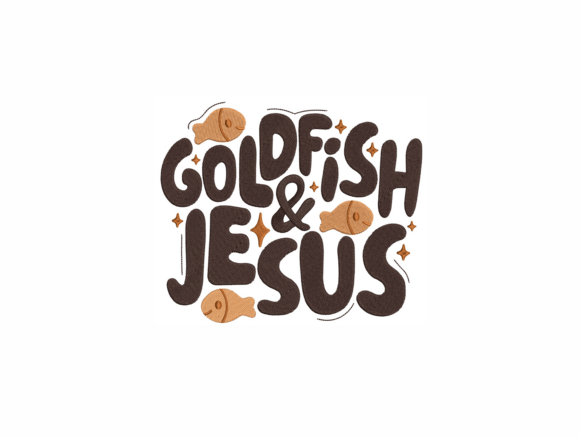
When I first opened the Goldfish and Jesus Machine Embroidery file, I immediately noticed its coquette-inspired personality. The design blends a whimsical goldfish illustration with the word "Jesus" in a playful, hand-drawn typography style. Small decorative accents—perhaps tiny hearts, sparkles, or delicate bubbles—frame the artwork, creating a soft, aesthetic feel that's both trendy and unmistakably Christian. It’s the kind of machine embroidery design that stops you mid-scroll: sweet but not saccharine, bold in message yet gentle in execution. For a small business looking to add a touch of warmth and personality to their merchandise, this digital embroidery file makes a memorable first impression.
Real-World Business Applications for Branded Merch
As a designer who regularly works with boutiques, cafés, and handmade brands, I evaluate every embroidery file through the lens of actual product use. The Goldfish and Jesus Machine Embroidery isn’t just a pretty decoration—it’s a versatile brand asset. I can easily see it stitched onto a work apron, a canvas tote bag, a baseball cap, or the chest of a cozy sweatshirt. Because it’s categorized under Work and Embroidery, it naturally fits into uniforms, staff apparel, and merchandise that small businesses use every day. The playful, faith-infused aesthetic makes it especially effective for brands that value community, handmade charm, and a personal touch.
Apron Embroidery and Café Chic
Imagine a small bakery or coffee shop where the baristas wear linen aprons with this design embroidered on the chest pocket. The goldfish and Jesus lettering become a quiet conversation starter, instantly making the café feel more intimate and values-driven. The apron embroidery elevates the uniform from generic to boutique, and the stitch density of the design must be balanced: too heavy and it can pull at lightweight fabric, too light and it loses definition. With proper stabilizer and a test run on the actual apron material, the finished product looks professional and invites customer engagement.
Cap Embroidery and Casual Branded Apparel
On a dad cap or a low-profile unstructured hat, the Goldfish and Jesus Machine Embroidery works brilliantly as a front-and-center focal point. The curved surface of a cap can be tricky—any text needs to remain legible, and the design must be digitized to avoid distortion. I’d recommend keeping the design size around 2.5 to 3 inches wide for cap fronts, and always test on a sample first. The playful typography is the star here; if the lettering is too small, the word "Jesus" might lose readability, so scaling the design appropriately is key. For cap embroidery, a medium-weight cutaway stabilizer and a topper for texture-rich fabrics will help keep everything crisp.
Tote Bag Design and Customer Giveaways
Canvas tote bags are a staple of small business merch. This design can serve as a walking billboard when stitched onto a natural cotton tote. The goldfish motif feels artistic and slightly retro, while the coquette style keeps it contemporary. I’ve noticed that tote bag designs with a faith element often become cherished items—customers reuse them for farmers’ markets, book clubs, or church events. The handmade product appeal is strong here, and pairing the embroidery with a simple, unbleached fabric creates an authentic, elevated look. Be mindful of the fabric texture; a tote with a looser weave may require a heavier stabilizer and possibly a water-soluble topping to prevent stitches from sinking in.
Where to Use With Caution: Size, Fabric, and Stitch Density
While the Goldfish and Jesus Machine Embroidery is charming, it’s not a one-size-fits-all solution. The coquette style often includes delicate lines and small details, which can cause problems at very small sizes. If you’re planning to use it as an embroidered patch smaller than 2 inches, test the file first. Tiny lettering may close up or become unreadable, especially on dark uniforms where thread contrast is critical. High stitch density in a compact area can cause puckering on lightweight shirts or performance fabrics.
Curved surfaces like cap fronts and sleeve seams also demand extra attention. The typography must remain legible when the fabric is stretched, so digitizing with proper pull compensation is a must. I also advise against using this design on heavily textured fabrics like fleece or thick terry cloth without first running a sample. The intricate details can get lost in the pile, and the finished product may look muddy. For custom apparel in a work environment—think kitchen staff or florist smocks—frequent washing is inevitable. Ensure you use high-quality polyester thread that resists fading and a stabilizer that holds up after dozens of industrial laundry cycles.
Building Brand Identity With a Faith-Based Aesthetic
Incorporating a design like Goldfish and Jesus Machine Embroidery into your small business merch does more than decorate fabric—it communicates your brand’s soul. For a Christian boutique, a youth ministry, a craft studio, or even a pet brand that wants to blend whimsy with faith, this design becomes a cornerstone of visual storytelling. The coquette trend, with its soft, romantic, and slightly nostalgic vibe, appeals to a demographic that values both aesthetics and meaning. When a customer wears a sweatshirt or carries a tote with this embroidery, they’re not just showing off a cute fish; they’re subtly sharing a piece of their identity.
From a branding perspective, consistency is everything. Using this design across multiple touchpoints—employee uniforms, merchandise, packaging accents, and even printable mockups on your website—creates a cohesive, recognizable look. The brand identity becomes intertwined with the design’s personality: friendly, hopeful, and a little playful. It can increase customer trust and make your products feel more intentional. I’ve seen small businesses transform their finished product perception simply by adding a well-placed embroidered patch that tells a story. This design has that potential.
Practical Embroidery Designer Notes for Flawless Results
Before you commit to a full production run, take these commercial embroidery steps. First, always test the design in black and white. This helps you isolate linework clarity and check for registration issues without the distraction of thread colors. Next, stitch out the file at the exact size you plan to use on your merchandise—whether it’s a 2.5-inch patch or a 4-inch chest logo. Pay close attention to how the lettering reads; if the Jesus text becomes a blob, you’ll need to adjust the hoop size or request a simplified version.
Review the thread colors against your chosen garment. A goldfish in orange and yellow might pop on a white tee but disappear on a mustard hoodie. I always create a printable mockup for client approval before stitching a single item. This saves time, thread, and disappointment. Compare the Goldfish and Jesus Machine Embroidery alongside other design assets you use—does it harmonize with your existing branding? If you’re building a line of faith-inspired merchandise, your design assets should feel like a family.
Finally, confirm the commercial embroidery license before using this file on items you sell. Many digital embroidery files come with restrictions, and it’s your responsibility to ensure you’re allowed to use it on custom apparel for profit. Check the provider’s terms regarding stitch density, file format, and recommended hoop size—these details are not always included in the initial description, so reach out if anything is unclear. A professional embroidery file should stitch out smoothly with proper underlay and clean trims.
Final Thoughts on Goldfish and Jesus Machine Embroidery for Small Business Merch
After dissecting the Goldfish and Jesus Machine Embroidery from every angle, I’m convinced it’s a valuable asset for the right brand. Its playful, coquette-infused faith message fills a specific niche that blends warmth with conviction. For small business owners, embroidery shops, and apparel decorators, it opens doors to creative handmade product lines, meaningful small business merch, and memorable customer experiences. The key is testing, scaling thoughtfully, and using high-quality materials. When you respect the design’s personality and technical needs, the finished product becomes more than merchandise—it becomes a tiny, stitched piece of your brand’s heart.