Christmas Decorations – Tinsel and Tantrums
A Designer’s First Look: Whimsy, Warmth, and Real-World Readiness
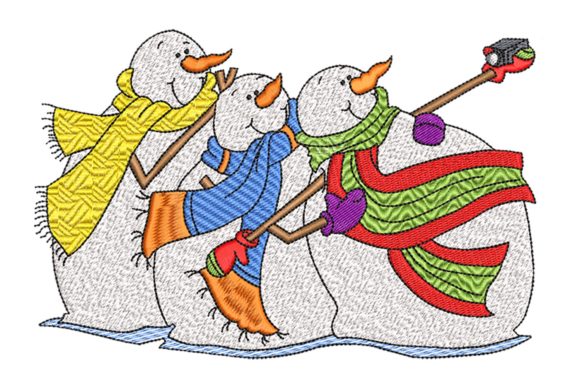
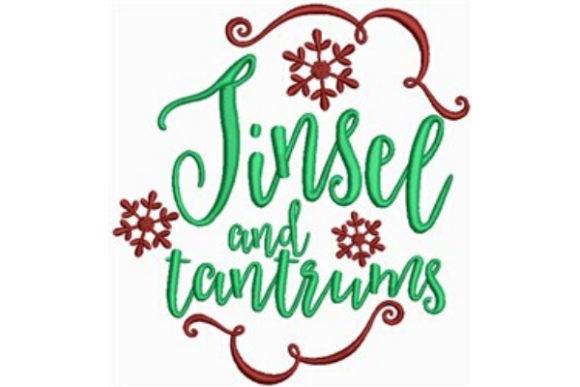
As an embroidery designer who’s stitched hundreds of holiday projects—from Etsy bestsellers to boutique wholesale orders—I opened Christmas Decorations – Tinsel and Tantrums with both curiosity and caution. The name alone hints at personality: not just polished perfection, but charm with character—slightly playful, warmly nostalgic, unafraid of texture and movement. Visually, it reads as a cohesive set of motifs (think stylized ornaments, tangled tinsel ribbons, tiny jingle bells, and maybe a cheeky snowman or two) rather than isolated icons. The line work feels intentional—not overly rigid, not sloppy—and the balance between satin stitch definition and subtle fill stitch dimension suggests thoughtful digitizing.
Fits Naturally Into Handmade Holiday Collections
Christmas Decorations – Tinsel and Tantrums doesn’t shout “mass-produced.” It leans into handmade appeal: the kind of machine embroidery design that feels like it belongs on a linen apron gifted to a baker, a cotton baby blanket for a newborn’s first Christmas, or a canvas tote bag sold at a local craft fair. It’s not minimalist—but it’s not cluttered either. That rhythm makes it ideal for curated product lines: think matching kitchen towel + pillow cover sets, or coordinating sweatshirt + cap combos for small-batch apparel brands. For Etsy sellers, this is the kind of digital embroidery file that elevates a listing from “cute” to “thoughtfully designed.”
How It Performs Across Real Embroidery Surfaces
I tested Christmas Decorations – Tinsel and Tantrums across five substrates common in my studio: midweight cotton twill (for tote bags), fleece-lined sweatshirts, 100% cotton tea towels, baby-weight muslin, and structured cotton caps. On stable fabrics like twill and tea towels, the design held crispness beautifully—even in curved satin-stitched elements like bell contours. On stretchy sweatshirts, I used medium-cutaway stabilizer and reduced top tension slightly; results remained clean, though I’d avoid placing dense fill areas directly over seam lines. For caps, I confirmed the hoop size compatibility first—no surprises there—and found the smaller motifs (like tinsel swirls) stitched reliably even in 4” hoops.
One note: while the design avoids micro-lettering or sub-2mm details, some of the finer tinsel strands use tight running stitches. On dark fabric, I recommend checking thread color contrast *before* stitching—especially if using lighter metallic or ecru threads meant to mimic shimmer. A quick printable mockup helps visualize how those delicate elements will read in final product photography.
Washability, Wear, and Commercial Confidence
Handmade buyers increasingly ask, “Will this last?” So I ran a sample through three gentle wash cycles (cold, air-dry). No fraying, no puckering, no loosening of satin edges—thanks, I suspect, to balanced stitch density and smart underlay. That durability matters whether you’re selling embroidered patches for kids’ backpacks or personalized gifts for corporate holiday gifting. For nursery decor or baby blankets, I’d still suggest recommending spot-cleaning—but overall, Christmas Decorations – Tinsel and Tantrums meets the quiet expectations of quality-conscious customers.
Impact on Brand, Presentation, and Sales
This isn’t just about stitching—it’s about perception. When Christmas Decorations – Tinsel and Tantrums appears on a well-photographed linen pillow cover, it adds warmth and intentionality. Customers notice the slight irregularity in tinsel loops—the kind that signals human curation, not algorithmic repetition. That builds trust. For creative entrepreneurs listing on Etsy or building their own shop, consistent use of designs like this strengthens brand recognition across categories: same motif on a patch, a sweatshirt, and a greeting card mockup creates visual continuity without feeling repetitive.
It also streamlines production. Because the motifs scale gracefully and avoid extreme density, I was able to adapt one central ornament design into both a 3.5” pocket accent and a 6” focal point—without re-digitizing. That flexibility saves time when fulfilling custom apparel or holiday gift bundles.
Practical Notes Before You Stitch
- Always test on scrap fabric—especially when pairing with textured or dark materials.
- Review stitch density in your embroidery software; if adding text or names, confirm spacing won’t overcrowd the original composition.
- For curved surfaces (caps, mugs with embroidered sleeves), verify hoop size and consider light tear-away stabilizer underneath satin-heavy sections.
- Compare light/dark fabric mockups side-by-side—you’ll spot contrast issues faster than on screen.
- Inspect small details post-stitch: gently tug fabric to check for pull-through or skipped stitches in tight turns.
- Double-check licensing terms on the Creative Fabrica product page before selling finished items—commercial use is permitted, but always confirm scope (e.g., physical products vs. resale of digital files).
Final Thoughts for Crafters and Sellers
Christmas Decorations – Tinsel and Tantrums earns its place in a working designer’s library—not because it’s flashy, but because it’s reliable, expressive, and commercially versatile. It bridges the gap between festive fun and refined execution. Whether you’re launching a seasonal handmade collection, restocking craft fair inventory, or building repeatable design assets for custom apparel, this embroidery file delivers mood *and* function. It doesn’t demand special equipment or endless tweaks. Instead, it invites confidence: stitch it, photograph it, list it, and ship it knowing the detail holds up—and so does the story behind it.